



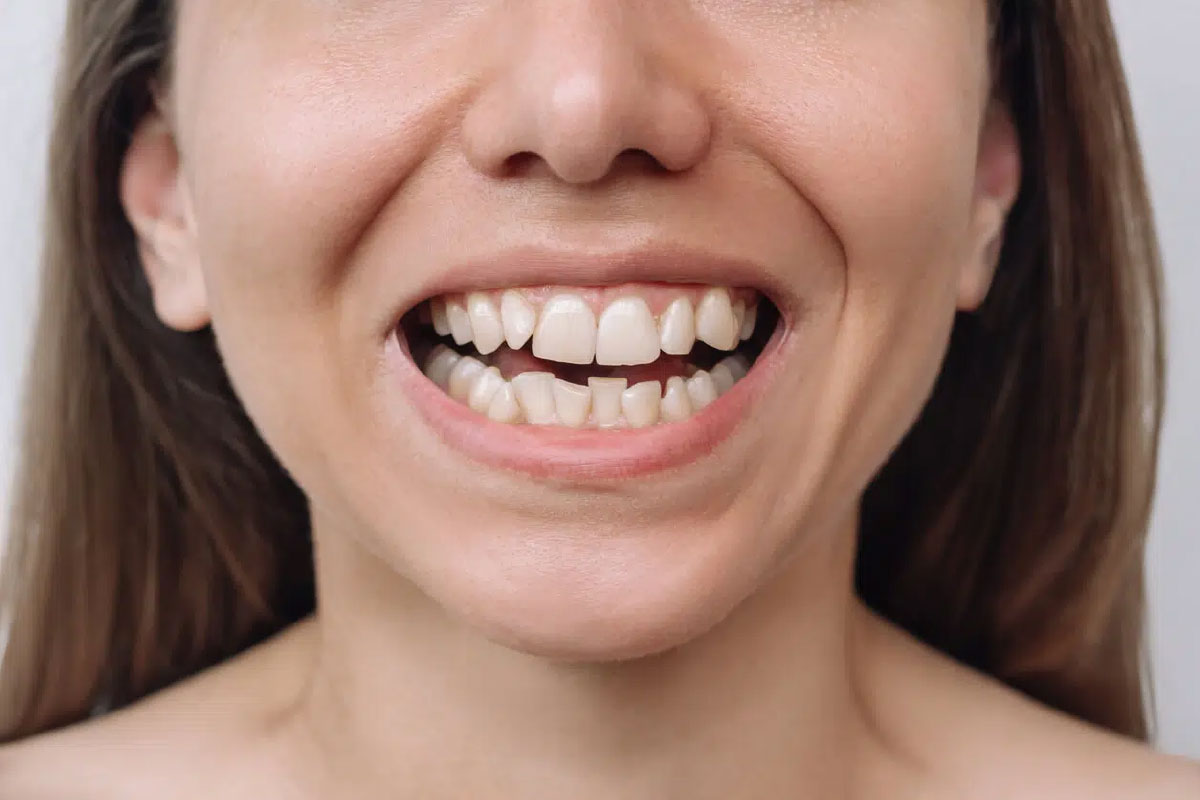
Many people feel self-conscious about crooked teeth but are not keen on wearing braces. Dental veneers offer a faster way to improve a smile, but they work very differently from orthodontic treatment. This article explains when veneers are appropriate for crooked teeth, what they can and cannot achieve, and what to consider before choosing a path forward.
What Are Dental Veneers and How Do They Work?
Dental veneers are very thin shells bonded to the front surface of your teeth. They are custom-made to match the shape, size, and colour of a natural smile. There are two main types:
-
Porcelain veneers
Are made in a dental laboratory from strong ceramic. They are durable, stain-resistant, and closely resemble natural tooth enamel. They typically last 10 to 15 years.
-
Composite veneers
Are shaped from tooth-coloured resin directly onto the tooth in one appointment. They are faster and more affordable but may need replacing sooner, usually after 5 to 10 years.
Applying veneers requires removing a thin layer of enamel from each tooth to make room for the shell. The dentist scans the teeth, has the veneers custom-made, and bonds them securely into place. Veneers change how a tooth looks from the front. Orthodontic treatment, by contrast, physically moves the tooth into a new position. Veneers do not move teeth at all.
Can Veneers Fix Crooked Teeth?
Veneers do not straighten teeth. The teeth stay in the same position after veneers are placed. What veneers do is change the visual appearance of the teeth so the smile looks more even from the front. This works well in mild cases, but proper case selection is essential.
Levels of Crooked Teeth
- Mild misalignment involves small overlaps, slight rotations, or minor gaps in a few front teeth with a healthy bite. This is where veneers may be a suitable cosmetic option. The shells can be shaped to make front teeth look straight and evenly spaced without orthodontic work.
- Moderate misalignment involves noticeable crowding across several teeth, sometimes affecting the bite. Veneers alone are not enough here. Orthodontic treatment to correct tooth positions first produces a safer and more stable long-term result.
- Severe misalignment includes significant crowding, large overlaps, or bite problems affecting eating and speaking. Veneers are not appropriate. Placing them over severely misaligned teeth does not address the underlying issue and can lead to wear, cracking, or jaw discomfort.
What Results Can Veneers Achieve?
For the right candidate, veneers can produce a meaningful cosmetic improvement. They create a more symmetrical smile by adjusting the shape and size of each shell. Veneers can close small gaps, correct uneven tooth lengths, improve colour that does not respond to whitening, and reshape chipped or worn teeth. A well-designed veneer smile looks natural and suits the patient’s face and features.
Common Scenarios Where Veneers May Be Considered
-
Slightly Overlapping Teeth
If one or two front teeth overlap slightly without affecting the bite, veneers may be suitable. The dentist designs the shell to minimise the visual overlap and create a more consistent smile line. If the overlap affects chewing or involves back teeth, orthodontic treatment is the better option as it corrects the actual tooth position.
-
Single Crooked Tooth
A single front tooth sitting out of alignment can often be improved with one veneer. Careful colour matching and shaping ensures it blends naturally with surrounding teeth. A skilled dentist will assess whether a single veneer achieves a natural result or whether treating adjacent teeth produces a better overall outcome.
-
Small Gaps or Uneven Teeth
Small gaps and minor unevenness in tooth length or shape are situations where veneers perform well. By making the shells slightly wider or more uniform, a dentist can close gaps and create an even smile line. For gaps under approximately 2 millimetres with a healthy bite, veneers can be an effective solution without orthodontic treatment.
-
Veneers vs Clear Aligners
Veneers are a cosmetic treatment that improves appearance without moving teeth. Clear aligners such as Invisalign are an orthodontic treatment that gradually shifts teeth into better positions and can address bite problems veneers cannot resolve. Veneers require two to three visits over a few weeks. Clear aligner treatment takes 6 to 18 months depending on complexity.
Porcelain veneers last 10 to 15 years but involve permanent enamel removal. Clear aligners produce lasting alignment results without altering tooth structure. In some cases, orthodontic treatment followed by veneers delivers the best outcome for both alignment and appearance.
Should Teeth Be Straightened Before Veneers?
For patients with moderate or severe misalignment, orthodontic treatment before veneers is the recommended approach. When teeth are properly aligned first, less enamel needs to be removed during veneer preparation, which is more conservative for your natural teeth. Dental Veneers also fit more accurately and last longer over well-positioned teeth. Proper alignment distributes biting forces evenly, protecting veneers from chipping or cracking over time.
Risks and Considerations
-
Enamel removal.
Veneers require permanently removing a thin layer of enamel. Once prepared, the tooth will always need to be covered. Some patients experience temporary sensitivity after preparation.
-
Longevity and maintenance.
Porcelain veneers last 10 to 15 years and composite veneers 5 to 10 years with proper care. Good oral hygiene and regular dental check-ups maximise lifespan.
-
Irreversibility.
Because enamel removal is permanent, veneers are a lifelong commitment. Removing them later weakens the teeth and requires further restoration.
-
Bite alignment.
An unaligned bite places excessive force on veneers and can cause chipping or early failure. A thorough bite assessment is essential before treatment begins.
Alternative Treatments for Crooked Teeth
- Clear aligners: such as Invisalign use transparent removable trays to shift teeth into better positions over 6 to 18 months. They are suitable for mild to moderate misalignment.
- Composite bonding: applies tooth-coloured resin to improve shape or close gaps without removing enamel. It can be completed in one visit and is more affordable than veneers, lasting 5 to 7 years.
- Orthodontic braces: use brackets and wires to move teeth over 1 to 3 years. They are the most effective option for moderate to severe crowding and bite correction.
A personalised treatment plan based on a thorough clinical assessment is the only reliable way to determine which approach suits your specific situation.
How JJ Smiles Dental Approaches Smile Design
At JJ Smiles Dental, proper case selection guides every smile consultation. We recommend veneers only when they are genuinely the right treatment for the individual patient.
-
Customised treatment planning.
Every consultation includes X-rays, digital scans, and a detailed discussion about your goals before any treatment is recommended.
-
Focus on natural aesthetics.
Smile designs are built around balance and proportion to create results that complement your natural features.
-
Patient consultation process.
We explain all options, costs, and long-term considerations clearly from the start, including digital previews where appropriate.
Summary
Veneers are effective for mild cosmetic concerns including small gaps and slight misalignment where the bite is healthy. They improve appearance but do not move teeth. Moderate to severe misalignment requires orthodontic treatment, and the best outcomes often come from straightening teeth first and refining the result with veneers. A professional assessment is essential before committing to any treatment path.
Frequently Asked Questions
- Can veneers make crooked teeth look straight permanently?
Veneers can make mildly crooked teeth look straighter for 10 to 15 years or longer with proper care. They improve the appearance only and do not move the teeth. A dentist will check your bite to confirm if veneers are a suitable long-term option. - How long do veneers last on slightly crooked teeth?
Porcelain veneers usually last 10 to 15 years, while composite veneers often last 5 to 10 years. Their lifespan depends on good oral hygiene, regular dental check-ups, and avoiding habits like biting hard objects. A night guard may help if you grind your teeth. - Is Invisalign better than veneers for crooked teeth?
Invisalign is better if you want to move crooked teeth and improve your bite without removing enamel. Veneers are better for cosmetic changes when the teeth are only slightly crooked. Your dentist can recommend the best treatment for your oral health needs. - Do veneers damage natural teeth?
Veneers require a thin layer of enamel to be removed, so the treatment is permanent. When placed by an experienced dentist, veneers protect the prepared teeth and function normally. A thorough dental assessment helps ensure the treatment is safe and appropriate.