


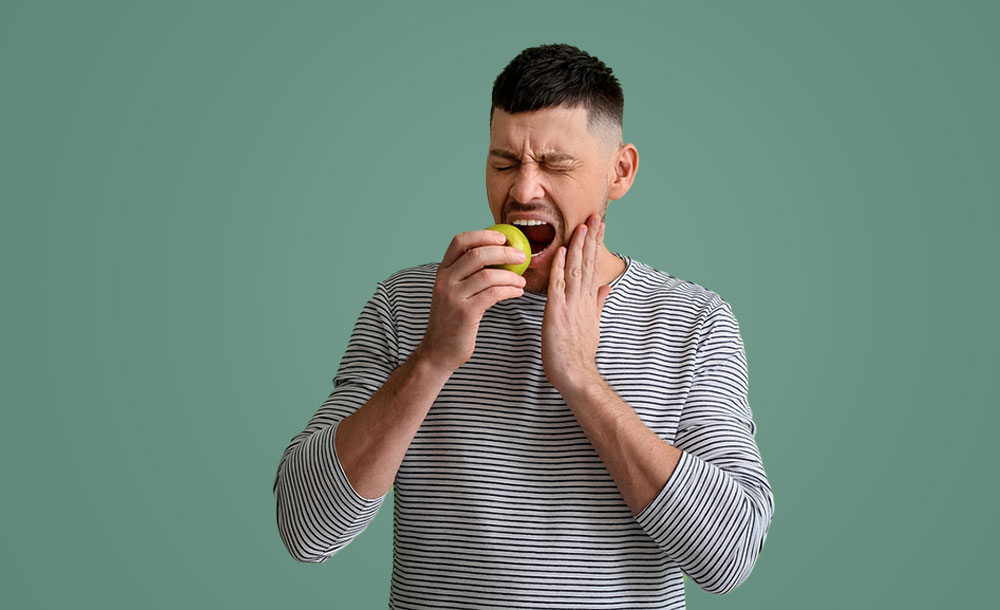
Jaw pain while eating or speaking is more common than most people think, and it is often linked to a condition called TMJ disorder. This article explains what the temporomandibular joint is, why it causes pain, what symptoms to look out for, and which treatment options — both at home and with a dental professional — can help you find long-term relief. Whether your jaw clicks, locks, or aches every time you chew, understanding the root cause is the first step toward feeling better.
Why Does My Jaw Hurt When I Chew?
Jaw pain while chewing happens for a range of reasons. In some cases, the discomfort is temporary and caused by something straightforward, such as eating tough food or sleeping in an awkward position. In other cases, the pain is a sign of an ongoing condition that needs proper assessment and care.
The pain itself can feel different depending on the cause. Some people experience a dull, constant ache around the jaw or ear. Others notice a sharp pain when they open their mouth wide, along with clicking, popping, or a feeling of the jaw locking in place. Occasionally, the pain spreads to the temples, neck, or shoulders.
Common Causes of Jaw Pain
Teeth Grinding or Clenching (Bruxism)
Many people grind or clench their teeth without realising it, often during sleep or times of stress. Over time, this places significant strain on the jaw muscles and the TMJ itself, leading to soreness, stiffness, and inflammation. Bruxism is one of the most common contributors to jaw pain in adults.
TMJ Disorder
TMJ disorder refers to a group of conditions that affect the joint, the muscles controlling jaw movement, or both. It can develop from ongoing muscle tension, a displaced cartilage disc, or gradual wear on the joint surfaces. Stress, a poor bite, and teeth grinding are all known to make TMJ disorder worse.
Jaw Misalignment
When the upper and lower teeth do not come together evenly, the resulting uneven pressure can overload the jaw joint on one or both sides. This uneven loading often leads to clicking, limited movement, and chronic discomfort over time.
Arthritis Affecting the Joint
Both osteoarthritis and rheumatoid arthritis can affect the TMJ, causing the protective cartilage to break down and leading to pain, swelling, and reduced jaw movement. Arthritis-related TMJ pain tends to worsen gradually and may be accompanied by stiffness, particularly in the morning.
Injury or Trauma
A direct blow to the jaw, a whiplash-type injury, or even a fall can damage the joint, surrounding muscles, or the cartilage disc. Even if the injury seems minor at the time, it can lead to inflammation and ongoing pain if left unaddressed.
Overuse Habits
Habits such as excessive gum chewing, nail biting, or chewing on one side of the mouth only can place repetitive strain on the jaw joint and muscles. Reducing or stopping these habits often brings noticeable relief.
When Should You See a Dentist for Jaw Pain?
Not every jaw ache requires an urgent dental visit, but certain signs suggest that professional assessment is needed sooner rather than later. You should see a dentist if your jaw pain has persisted for more than a few days without improvement, or if it keeps getting worse despite rest and basic care.
Difficulty fully opening or closing your mouth is another clear signal, as is jaw pain that makes it hard to eat, speak, or sleep comfortably. If your jaw pain is accompanied by frequent headaches, earaches, or facial pain that you cannot otherwise explain, these symptoms together often point to an underlying TMJ condition that needs proper diagnosis and treatment.
Treatment Options for Jaw Pain and TMJ Disorder
At-Home Care and Lifestyle Changes
For mild to moderate jaw pain, several self-care strategies can make a meaningful difference, particularly in the early stages.
- Soft diet: Switching to softer foods reduces the load on the jaw joint during the healing process. Avoid hard, crunchy, or chewy foods such as raw carrots, crusty bread, and tough cuts of meat until your symptoms settle.
- Heat or cold therapy: Applying a warm pack to the jaw for 10 to 15 minutes helps relax tight muscles and improve circulation to the area. A cold pack works better for acute inflammation or swelling, particularly after an injury.
- Jaw exercises: Gentle stretching exercises, such as slow mouth-opening movements and chin tucks, can help restore normal jaw movement and reduce muscle tightness. It is important to work within a comfortable range and stop any exercise that causes sharp or worsening pain.
- Stress management: Because stress is a significant driver of teeth grinding and jaw tension, incorporating relaxation techniques such as deep breathing, meditation, or regular physical activity can reduce the frequency and intensity of symptoms.
Professional Dental Treatments
When at-home care is not enough, a dental professional can offer a range of targeted treatments depending on the underlying cause of your jaw pain.
- Custom mouthguards or splints: A custom-fitted night guard is one of the most commonly recommended treatments for bruxism and TMJ disorder. It protects the teeth from grinding damage and helps position the jaw in a more relaxed, neutral position during sleep. Custom-made devices fit more accurately and are generally more effective than over-the-counter alternatives.
- Physical therapy: A physio or trained dental therapist can use hands-on techniques, targeted exercises, and stretching protocols to improve jaw mobility, reduce muscle tension, and address postural issues that may be contributing to the problem.
- Medications for pain and inflammation: Over-the-counter anti-inflammatory medicines can help manage mild to moderate jaw pain. In more persistent or severe cases, a dentist or doctor may prescribe stronger pain relief, muscle relaxants, or a short course of anti-inflammatory medication to reduce joint inflammation.
- Orthodontic treatment: When a poor bite or teeth misalignment is identified as a contributing factor, orthodontic treatment can correct the alignment over time. This reduces the uneven forces placed on the jaw joint and can provide long-term relief as part of a broader treatment plan.
Risks of Ignoring Jaw Pain
It is tempting to wait and hope jaw pain goes away on its own, but leaving it untreated can lead to more serious problems down the track. Short-term jaw pain that is not addressed can develop into a chronic TMJ disorder, which is significantly harder to treat and may require more complex intervention.
Persistent jaw tension also accelerates tooth wear, as grinding and clenching break down tooth enamel, cause cracks, and increase sensitivity. Over time, untreated jaw pain can make eating a difficult and unpleasant experience, which can affect your nutrition and general wellbeing. Ongoing jaw dysfunction has also been linked to disrupted sleep and frequent tension headaches, both of which take a toll on your day-to-day quality of life.
How JJ Smiles Dental Can Help
At JJ Smiles Dental, we take jaw pain seriously because we understand how much it can affect your daily life. Our approach begins with a thorough assessment of your symptoms, bite pattern, and jaw movement to identify the root cause of your discomfort. Where needed, we use imaging to get a clearer picture of the joint and surrounding structures before putting together a treatment plan.
Our focus is on long-term relief and restoring full function, not just masking the pain temporarily. We explain your options clearly, involve you in every decision, and tailor your follow-up care to suit your lifestyle and needs.
Summary
Jaw pain while eating is most commonly linked to TMJ disorder, but it can also be caused by teeth grinding, jaw misalignment, arthritis, or injury. Identifying the underlying cause early makes treatment more straightforward and helps prevent the condition from becoming chronic.
Mild symptoms can often be managed effectively with at-home care, while more persistent or severe cases benefit from professional dental treatment. If you are experiencing ongoing jaw pain, a dental consultation is the most reliable way to get an accurate diagnosis and a clear path toward relief.
Frequently Asked Questions
- What causes jaw pain when chewing on one side?
One-sided jaw pain is usually caused by a localised issue such as an inflamed TMJ, a displaced cartilage disc, a toothache, or the habit of chewing predominantly on one side. An uneven bite that overloads one side of the jaw is also a common contributor.
- Can TMJ pain go away on its own?
Mild TMJ pain caused by muscle tension or overuse often improves with rest and basic self-care within a few weeks. However, if your symptoms persist beyond that or keep returning, it is worth seeing a dentist to identify whether an underlying condition needs treatment.
- What is the fastest way to relieve jaw pain?
Applying a warm pack to the jaw, resting it with a soft diet, avoiding wide yawning, and taking over-the-counter anti-inflammatory medication are the quickest ways to ease discomfort. If pain is severe or does not settle within a few days, seek professional advice.
- Is jaw clicking always a sign of TMJ disorder?
Not necessarily. Occasional clicking or popping without pain is common and often caused by minor disc movement that corrects itself. However, if the clicking is frequent, painful, or accompanied by limited jaw movement, it is worth having it assessed by a dental professional.