



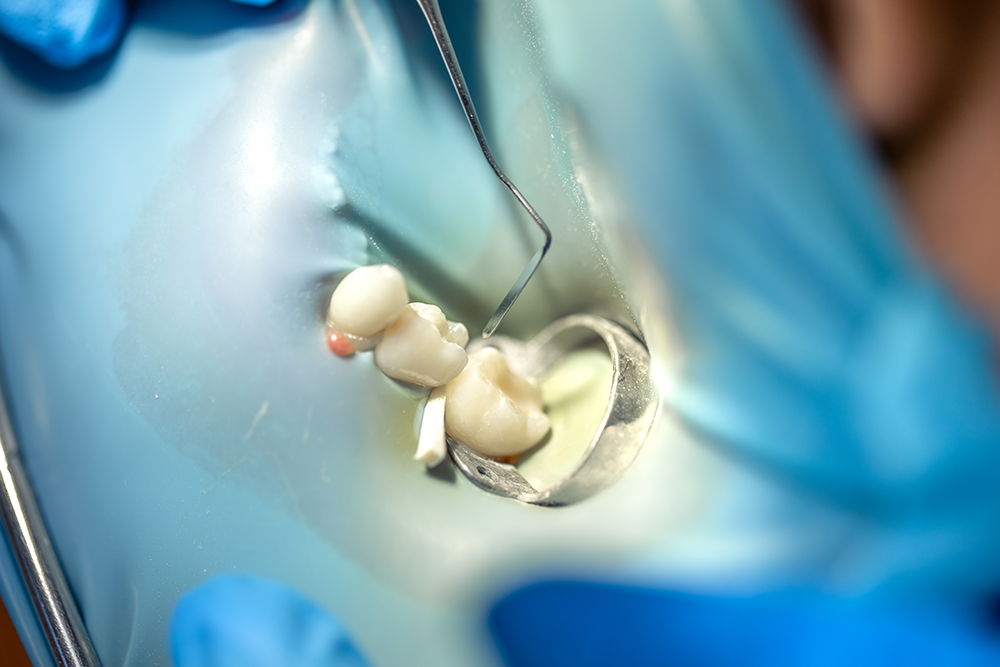
A root canal treatment is a dental procedure that helps save a tooth that has been badly damaged or affected by a tooth infection. Inside every tooth is a soft area called the pulp, which contains nerves and blood vessels. When bacteria reach this area, it can cause pain, swelling, and infection. A root canal procedure removes this infected pulp, cleans the inside of the tooth, and seals it so the infection cannot return.
Many people feel nervous when they hear the words “root canal”, but modern dental care has made this treatment much easier than it used to be. Today’s root canal treatment is faster, gentler, and far more comfortable. Most patients are surprised by how simple the process feels, especially when compared to the pain caused by the infection itself.
At JJ Smiles Dental, advanced dental technology is used to make the procedure precise and comfortable. This helps ensure your dental visits for root canal are smooth, safe, and as stress-free as possible. The total time needed for treatment can change depending on the type of tooth being treated and how serious the infection is. Understanding these factors helps you feel more prepared and confident about your care and root canal recovery.
Key Factors That Affect Root Canal Duration
-
Tooth Location
The position of your tooth plays a big role in how long a root canal procedure takes. Front teeth usually have only one root, which makes them easier to clean and treat. These teeth often take around 45 to 60 minutes.
Premolars usually have one or two roots, so they may take a little longer, often around 60 to 75 minutes. Molars are the most complex teeth because they can have several roots and narrow canals. Cleaning and shaping these canals carefully takes more time, so molar root canal treatments can take up to two hours. -
Severity of Infection
A deeper tooth infection means more time is needed to clean the tooth properly. When infection has spread further inside the tooth, dentists must carefully disinfect all areas to remove bacteria completely. In more serious cases, the dentist may recommend more than one appointment to ensure the tooth heals well before it is sealed.
-
Condition of the Tooth
Teeth that are cracked, have old crowns, or contain calcified or curved canals can be harder to treat. These conditions make the root canal treatment more complex and increase the time needed to clean and shape the canals properly. Taking extra time helps protect the tooth and improves long-term success.
-
Technology and Experience
Modern technology makes a big difference in treatment time and comfort. Digital imaging allows dentists to see the tooth clearly, rotary tools help clean canals more efficiently, and advanced equipment shortens chair time. Experienced dentists at JJ Smiles Dental use these tools to provide faster and more accurate care, making the overall experience easier for patients.
Step-by-Step Process – Stages of a Root Canal Treatment
Stage 1 – Diagnosis and Numbing (10–15 minutes)
The root canal procedure begins with X-rays or scans so the dentist can clearly see the tooth infection. To keep you comfortable, a local anaesthetic is used to numb the area. This ensures the treatment feels pain-free and relaxed from the start.
Stage 2 – Cleaning and Shaping (30–60 minutes)
Once the tooth is numb, the dentist carefully removes the infected pulp from inside the canals. The canals are then cleaned, disinfected, and shaped to remove bacteria. This step is very important because it stops the infection and helps prevent future dental problems.
Stage 3 – Filling and Sealing (30–45 minutes)
After cleaning, the canals are filled with a biocompatible material called gutta-percha. A dental sealant is placed on top to keep bacteria and saliva out. This stage protects the tooth and lowers the risk of reinfection.
Stage 4 – Crown Placement (Separate Visit if Needed)
Some teeth need a dental crown after a root canal treatment to restore strength and function. This is usually done during a separate visit to ensure proper healing and fit. The crown helps protect the tooth from breaking and completes the treatment.
One Visit or Two? How Many Appointments You’ll Need
-
Single-Visit Root Canals
Simple cases, such as front teeth or teeth with mild infection, can often be treated in one appointment. These dental visits for root canal usually take between 45 and 60 minutes and include cleaning, shaping, and sealing the tooth in one visit.
-
Two-Visit Treatments
More complex teeth, such as molars or teeth with severe infection, may need two visits. The first visit focuses on cleaning and disinfecting the canals. The second visit seals the tooth once the infection has settled. This approach improves root canal recovery and long-term success.
-
Why Dentists Prefer Two Visits
Two visits allow dentists to fully control infection, especially in teeth with multiple roots or hidden canals. This careful approach helps protect the tooth and reduces the chance of reinfection.
Pain Levels During Each Stage of a Root Canal
-
Before Treatment
Pain before treatment comes from the tooth infection, not the procedure itself. Infected pulp causes pressure and inflammation, leading to throbbing or sharp pain.
-
During Treatment
Local anaesthetic ensures the root canal procedure is pain-free. You may feel gentle pressure, but no sharp pain. Modern tools and techniques help keep you comfortable throughout the treatment.
-
After Treatment
Mild soreness for 24 to 48 hours is normal as the tooth begins to heal. This can usually be managed with over-the-counter pain relief. Clear aftercare instructions support smooth root canal recovery.
Recovery Time After a Root Canal Treatment
-
Immediate Numbness
The numbness from the anaesthetic usually wears off within a few hours, which is normal after a root canal, as feeling slowly returns to your tooth and nearby areas.
-
Slight Teeth Sensitivity
You may notice mild tooth sensitivity for 1–2 days while the tissues heal after your root canal treatment.
-
Full Healing
Complete healing usually takes 1–2 weeks, as your tooth regains strength and normal function while soreness fades.
-
Tips
- Chew on the opposite side to protect the treated tooth.
- Avoid sticky or hard foods that could damage the tooth.
- Continue brushing and flossing carefully to maintain oral hygiene.
-
When to Contact Your Dentist:
- If pain, swelling, or sensitivity worsen instead of improving.
- If there are signs of infection, such as pus or fever.
- For any concerns about the healing tooth or your overall comfort.
When a Root Canal Might Take Longer Than Usual
-
Complex Root Anatomy
Some teeth have extra canals or curved roots that are harder for a dentist to reach. These root canals need very careful cleaning and shaping, which means the dental process can take longer than usual. Taking this extra time helps remove all the infection so your tooth can heal properly and stay healthy.
-
Re-treatment of Previously Failed Root Canals
If a tooth has already had a root canal treatment that did not fully clear the infection, it may need re-treatment. The dentist must carefully clean and disinfect the canals again. This takes more time but helps prevent future problems and improves long-term success.
-
Delayed Crown Fitting or Infection Spread
Sometimes a dental crown cannot be placed straight away, especially if the infection has spread beyond the tooth. Extra steps are needed to control the infection and prepare the tooth properly. Spending more time ensures the tooth is clean, protected, and able to heal well for long-term strength.
Frequently Asked Questions
How long does a root canal take for molars?
A molar root canal usually takes 2 hours. It has an extra roots that makes your treatment process longer.
Can I return to work the same day after a root canal?
Yes, you can return to work on the same day. Just avoid hard chewing or biting on your treated tooth.
How many sittings are needed for a root canal?
Some root canals are done in one visit. Others need two dental visits if the infection is more serious.
Is the second sitting painful?
The second dental visit is usually easier and less painful. It is just dental fillings and sealants to complete your treatment.
How long does it take to fully recover?
Full recovery of your tooth and surrounding tissues takes time. After a root canal procedure, it typically takes 1–2 weeks.
Conclusion – Saving Time and Your Smile
Most root canal procedures require one or two appointments, each lasting 45 to 90 minutes. Early treatment helps save your natural tooth and prevents further damage. Choosing JJ Smiles Dental means receiving advanced technology, gentle care, and efficient treatment that protects your smile and supports long-term oral health.
Disclaimer: The information provided in this content is for general educational purposes only and is not a substitute for professional dental advice, diagnosis, or treatment. Every patient is different, and results may vary. Please consult with a qualified dentist at JJ Smiles Dental & Implant Centre or your healthcare provider to determine what treatment is right for you.