



Dental implants are one of the best ways to replace missing teeth. They are strong, look natural, and help you eat and smile with confidence. Most of the time, they work brilliantly — with a success rate of over 95%. But sometimes, the crown on top of the implant can come loose. When this happens, acting quickly is really important.
Catching the problem early prevents bigger issues like bone loss, infection, or even full implant failure. This blog by JJ Smiles Dental helps patients understand the signs of a loose dental implant crown, what causes it, how dentists treat it, and how you can prevent it.
Understanding the Structure of a Dental Implant
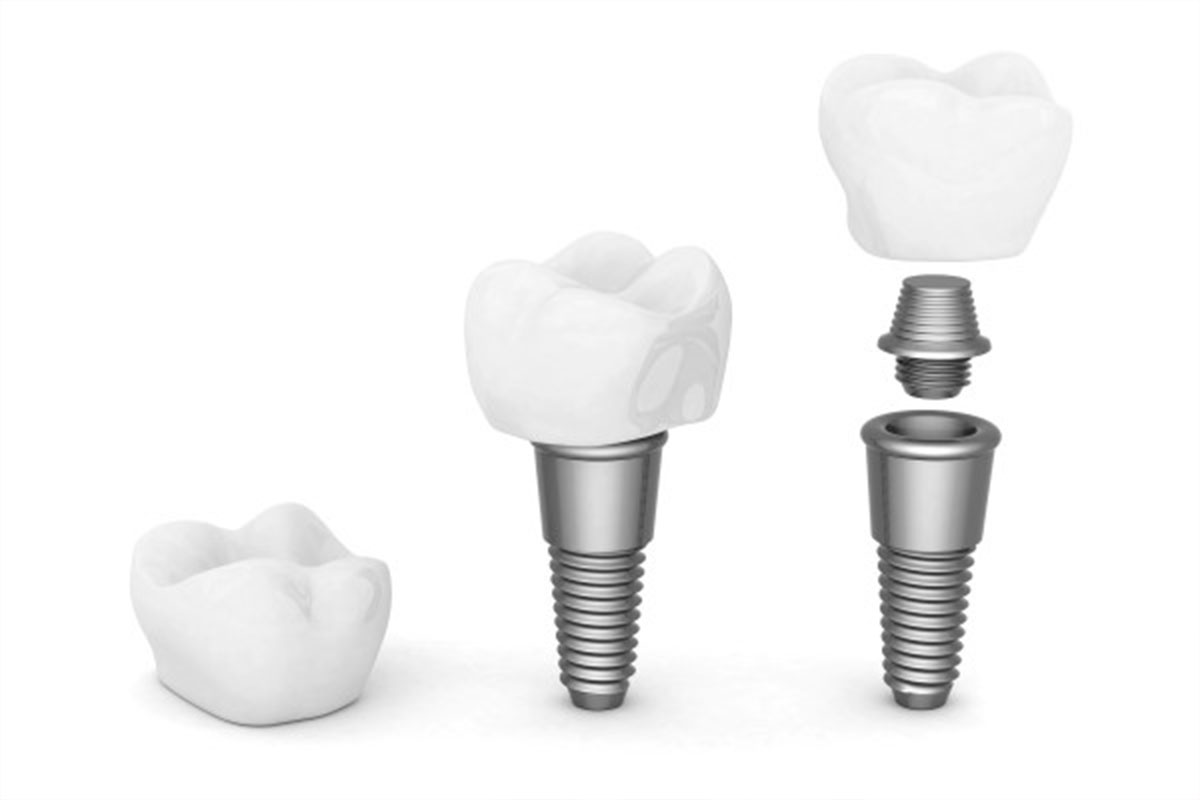
A dental implant is made of three parts that all work together.
-
Implant Post
This is a small titanium screw placed inside your jawbone during a minor surgery. Over time, the bone grows around it and holds it firmly — a process called osseointegration. It works just like a natural tooth root, keeping everything stable and preventing bone loss.
-
Abutment
The abutment is a small connector piece that sits on top of the implant post, just above the gum line. Think of it as the middle piece that links the root below to the crown above. It is custom-made to help the crown sit in exactly the right position.
-
Dental Implant Crown
The crown is the part you can see when you smile. Made from strong materials like porcelain or zirconia, it is shaped and coloured to match your other teeth. It lets you bite, chew, and speak just like a natural tooth.
Common Symptoms of a Loose Dental Implant Crown
Your body is good at letting you know when something is not right. Here are the key warning signs to look out for.
-
Movement or Wobbling of the Crown
A healthy crown should feel completely solid. If yours moves or wobbles when you chew or press on it with your tongue, something has come loose and needs attention.
-
Pain or Discomfort When Chewing
A loose crown does not spread the pressure of biting evenly, which can cause a dull ache or sharp pain around the implant when you eat. If chewing has become uncomfortable, it is worth getting it checked straight away.
-
Clicking or Unusual Sounds While Biting
A clicking or clunking noise when you bite down is usually caused by the crown shifting and touching the abutment or screw underneath. A properly fitted crown should be completely silent.
-
Gum Swelling or Irritation Around the Implant
If the gums around your implant are red, swollen, or tender to touch, bacteria may have entered through a gap. This can develop into peri-implantitis — a serious gum infection that affects the tissue around the implant.
-
Bad Taste or Persistent Bad Breath
A metallic taste in your mouth, or bad breath that does not go away after brushing, can be an early sign of bacterial build-up and infection beneath a loose crown.
-
Pressure or Uneven Bite Feeling
If your bite feels off — like one side sits higher than the other — a loose crown may have shifted slightly and thrown your alignment out of balance, putting extra stress on the nearby teeth.
-
Bleeding or Receding Gums Around the Implant
Gums that bleed when you brush or floss near the implant, or that appear to be pulling away from the crown, are a clear warning sign. Receding gums create gaps where bacteria can enter and damage the bone that supports the implant.
What Causes a Dental Implant Crown to Become Loose
-
Loose Abutment Screw
The tiny screw connecting the crown to the implant can loosen from everyday chewing and use over time. It needs a dentist’s specialised tools to be tightened safely and correctly.
-
Worn or Weak Dental Cement
Some crowns are held in place with dental cement rather than a screw. Over time, this cement can dry out and weaken — much like old glue — causing the crown to shift and feel unstable.
-
Gum Infection or Peri-Implantitis
Bacteria that build up around the implant can infect the surrounding gum tissue. Just like gum disease in natural teeth, peri-implantitis damages the soft tissue and can loosen the seal that holds the crown securely in place.
-
Bone Loss Around the Implant
If the jawbone does not fuse properly with the implant post, or if infection causes bone to break down, the implant loses its solid foundation. Without strong bone support, the whole implant system becomes unstable.
-
Poor Crown Fit or Improper Placement
A crown that was not made or placed correctly creates uneven pressure with every bite. Over time, this gradually rocks the crown loose, especially if the misalignment is not addressed early.
-
Teeth Grinding or Bruxism
Grinding or clenching your teeth — especially during sleep — puts enormous, repeated force on the implant crown. This can loosen the abutment screw or wear down the cement much faster than normal everyday chewing would.
-
Inadequate Oral Hygiene Habits
Skipping daily brushing and flossing allows plaque and bacteria to build up around the implant. This leads to gum inflammation and, over time, can cause the implant crown to become loose.
Risks of Ignoring a Loose Dental Implant Crown
A loose crown will not fix itself and waiting too long makes things considerably worse. A wobbly crown changes the way you bite, putting extra stress on your surrounding teeth and causing them to wear or crack over time.
Gaps beneath the crown trap food and bacteria, raising the risk of infection that can spread to the gum and underlying bone. Tiny ongoing movements erode the jawbone around the implant, causing progressive bone loss that may eventually require a bone graft to correct.
The loose components can rub together until the crown cracks or breaks off entirely. In the most serious cases, continued neglect causes the implant post itself to fail, requiring full surgical removal and replacement a far more involved and costly process that could have been avoided with early dental care.
How Dentists Diagnose a Loose Implant Crown
-
Clinical Examination
Your dentist will closely examine the crown and surrounding gum tissue, checking for any wobbling, gaps, redness, or swelling. This hands-on inspection often identifies the problem straight away without any extra equipment.
-
Dental X-rays and Imaging
X-rays reveal what is happening beneath the gum line including the condition of the implant post, the abutment screw, and the surrounding bone. They can clearly show bone loss or signs of infection that are invisible to the naked eye.
-
Bite and Implant Stability Evaluation
Special marking paper shows exactly how your teeth come together when you bite down. Your dentist may also gently test the implant to check for movement under pressure. This helps ensure any treatment will restore a comfortable, even bite going forward.
Treatment Options for a Loose Dental Implant Crown
-
Tightening the Implant Screw
If the abutment screw has simply come loose, your dentist can re-tighten it precisely using specialised tools. This is a quick, straightforward fix that is usually completed in a single visit.
-
Re-cementing the Dental Crown
If the cement has failed, the crown is carefully removed, the implant and crown are cleaned thoroughly, and the crown is reattached with fresh dental cement, restoring a firm and secure hold.
-
Treating Gum Infection or Inflammation
Your dentist will remove the bacteria and plaque from around the implant to stop the infection from spreading. Antibiotics may also be prescribed to protect the surrounding bone and gum tissue.
-
Replacing the Implant Crown
If the crown itself is cracked, worn, or poorly fitted, a new custom crown made from porcelain or zirconia is designed to restore both the function and appearance of your tooth.
-
Implant Replacement in Severe Cases
When significant bone loss or deep infection has damaged the implant post beyond repair, it must be removed surgically. After the area heals fully, a new implant can be placed to restore the missing tooth once more.
Tips to Prevent a Loose Dental Implant Crown
- Maintain proper oral hygiene habits — Brush twice a day and floss gently around the implant daily. Using an antibacterial mouthwash also helps reduce bacteria and protect against infection.
- Attend regular dental check-ups and implant reviews — Visit your dentist every three to six months. Regular check-ups allow small problems to be caught and corrected before they become serious.
- Avoid chewing extremely hard foods — Ice, hard lollies, and very crunchy foods put unnecessary stress on your crown. Being mindful of what you chew can add years to the life of your implant.
- Use a night guard if you grind your teeth — A custom-fitted night guard worn during sleep absorbs the forces of bruxism and protects your crown from excessive wear and damage.
- Follow post-treatment care instructions provided by your dentist — After any implant procedure, follow your dentist’s advice carefully. These instructions give your implant the best foundation and help prevent early loosening.
When to Visit a Dentist for a Loose Implant Crown
You should book a dental appointment as soon as possible if your crown feels unstable or moves, if you are experiencing persistent pain around the implant, if your gums are swollen or bleeding near the implant site, or if chewing has become uncomfortable.
Early dental evaluation is always the wisest approach — the sooner the issue is assessed, the easier it is to treat and the better your chances of preserving your implant for the long term.
For expert care, consider visiting JJ Smiles Dental, where experienced professionals can assess and manage your dental implant concerns effectively. Don’t wait for the problem to worsen — book your appointment and protect your smile for the future.
Conclusion
Recognising loose dental implant crown symptoms early is one of the most important things you can do for your oral health. Signs like wobbling, pain, clicking sounds, or gum changes should never be ignored. Left untreated, a loose crown can lead to infection, bone loss, and even complete implant failure.
Professional dental care makes all the difference. With the right treatment, most loose crowns can be resolved quickly and comfortably, restoring your smile to full strength. If you have noticed any changes around your implant crown, contact your dentist without delay. JJ Smiles Dental provides expert implant care and personalised guidance to help you maintain a healthy, confident smile for the long term.
Frequently Asked Questions
- Can a Loose Dental Implant Crown Be Fixed?
Yes. Most loose implant crowns can be fixed in a single dental visit. Depending on the cause, treatment may involve tightening the abutment screw, re-cementing the crown, or fitting a new replacement. The sooner you see your dentist, the simpler and quicker the fix is likely to be.
- Is a Loose Implant Crown a Dental Emergency?
Not always, but it should still be treated promptly. If you are experiencing significant pain, noticeable swelling, or your crown has fully come out, contact your dentist immediately. Even without severe symptoms, a loose crown should be assessed as soon as possible to prevent the situation from worsening.
- How Long Do Dental Implant Crowns Typically Last?
With proper care, dental implant crowns can last anywhere from 10 to 20 years or longer. Good oral hygiene, regular dental check-ups, avoiding very hard foods, and protecting against teeth grinding all play an important role in extending the lifespan of your crown.
- Can Teeth Grinding Cause an Implant Crown to Loosen?
Yes. Bruxism places repeated and excessive force on the crown, which can loosen the abutment screw or wear down the dental cement over time. A custom night guard is one of the simplest and most effective ways to protect your implant from this kind of damage. If you suspect you may be grinding your teeth, speak with your dentist at JJ Smiles Dental.