



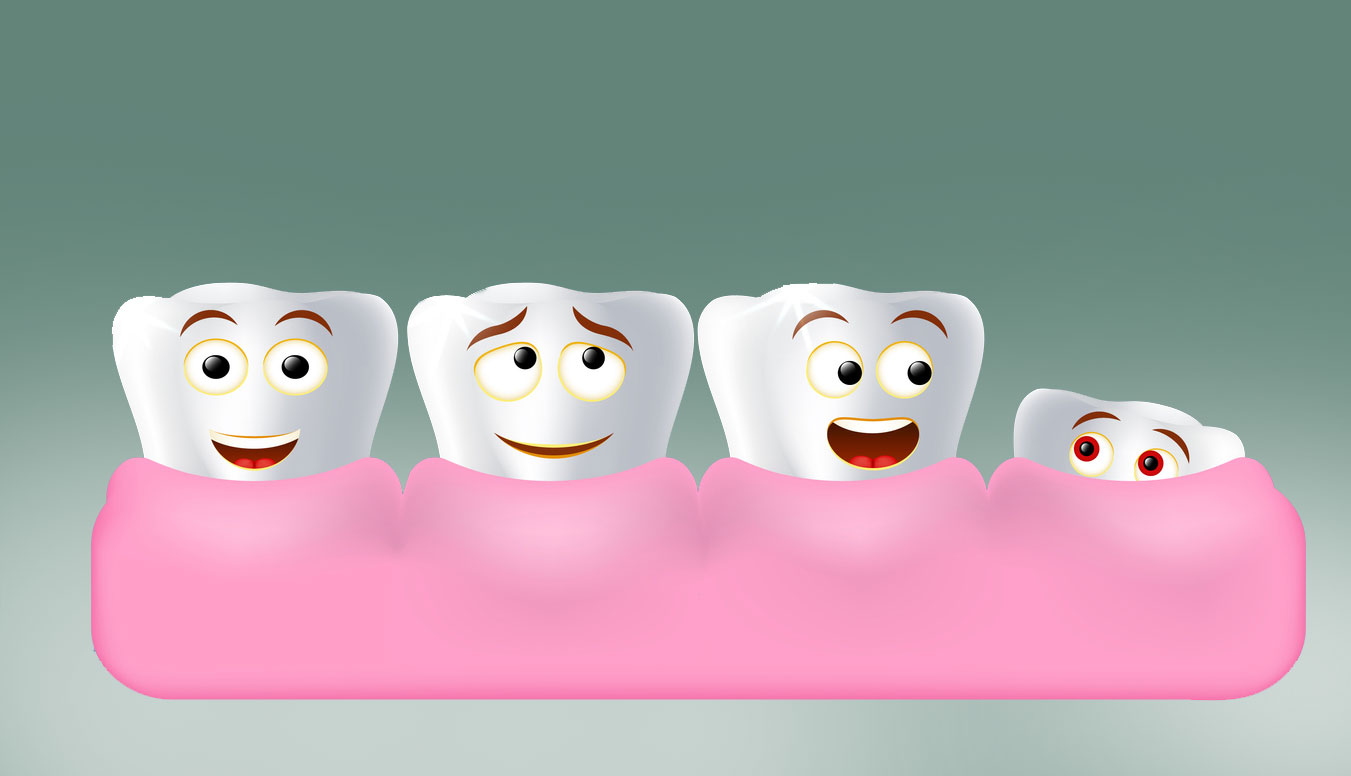
Wisdom teeth are the last set of molars that grow at the back of your mouth. They usually begin to come in between the ages of 17 and 25. For some people, they grow in without any problems. For others, they can cause pain, swelling, or discomfort.
Everyone’s experience is different. Some people may not notice their wisdom teeth at all, while others may feel pressure, soreness, or even infection as the teeth try to come through the gums.
This guide will help you understand the early signs of wisdom teeth coming in and when it is important to contact your dentist. Knowing what to look for can help you avoid bigger dental problems in the future.
Understanding Wisdom Teeth and Their Role
Wisdom teeth are also called third molars. They are the final adult teeth to develop and are located at the very back of your mouth. These teeth usually start to appear during your late teens or early twenties. In the past, people had larger jaws, so there was enough space for all 32 teeth. Today, many people have smaller jaws, which means there is often not enough room for wisdom teeth to grow properly.
Because of this, wisdom teeth can become impacted, which means they get stuck under the gums or grow at an angle. This can lead to pain, swelling, or damage to nearby teeth. That is why it is important to monitor wisdom teeth early. Regular dental check-ups help your dentist see how these teeth are developing and prevent problems before they become serious.
Early Signs Your Wisdom Teeth Are Starting to Come In
If your wisdom teeth are beginning to grow, you may notice some early signs. These symptoms are usually mild at first but should not be ignored.
-
Back-of-Mouth Sensitivity
You may feel sensitivity or slight discomfort at the back of your mouth. It can feel like something is pushing through the gums.
-
Tender or Swollen Gums
The gums around your back molars may become red, swollen, or sore. You might feel discomfort when eating or brushing.
-
Jaw Pressure or Mild Pain
You may notice a dull ache or pressure in your jaw. This can make your jaw feel tight or slightly uncomfortable.
-
Gum Breakthrough (Tooth Edges Appearing)
Small white spots or edges of a tooth may start to show through the gums. This is a sign that your wisdom teeth are erupting.
-
Headaches or Ear Pain
Pressure from the back of your mouth can sometimes spread to nearby areas, causing headaches or ear discomfort.
Common Symptoms That Suggest Wisdom Teeth Are Impacted
Sometimes wisdom teeth do not have enough space to grow properly. When this happens, they can become impacted and cause more noticeable symptoms.
-
Persistent Jaw Pain
Ongoing pain in your jaw that does not go away may be a sign of an impacted tooth.
-
Red or Inflamed Gums
The gums around the wisdom tooth area may become swollen, red, or bleed easily.
-
Pain When Chewing or Opening the Mouth
You may feel discomfort when eating or opening your mouth wide.
-
Bad Taste or Bad Breath
Food and bacteria can get trapped around partially erupted teeth, leading to an unpleasant taste or bad breath.
-
Crowding or Shifting Teeth
Wisdom teeth can push against nearby teeth, causing them to move or become crowded.
When Wisdom Teeth Cause Problems — Risks to Watch For
If wisdom teeth are not monitored or treated early, they can lead to more serious dental problems.
-
Pericoronitis (Gum Infection)
This is an infection that occurs around a partially erupted tooth. It can cause pain, swelling, bad breath, and difficulty opening your mouth.
-
Damage to Nearby Teeth
Your impacted wisdom tooth can press against your nearby molars. It will cause damage, crowding or crooked to your other teeth.
-
Cysts or Bone Issues
Fluid-filled sacs called cysts can form around your impacted teeth. Harms your jawbone and weakens its structure or causing severe issues.
-
Difficulty Cleaning the Area
Wisdom teeth are located at the back of the mouth, making them harder to clean. This increases the risk of plaque build-up and infection.
-
Bite Changes or Misalignment
Your wisdom teeth grow and push your other teeth out of place. This can crowd your smile and affect your bite alignment.
How Dentists Confirm Whether Your Wisdom Teeth Are Coming In
Dentists use several methods to check if your wisdom teeth are coming in and whether they may cause problems.
-
Clinical Examination
Your dentist will examine the back of your mouth to look for swelling, redness, or signs of eruption.
-
Digital X-rays
X-rays provide a clear image of your wisdom teeth, including their position, angle, and depth. This helps detect hidden problems.
-
Checking for Impaction or Lack of Space
Your dentist will assess whether there is enough room for the teeth to grow properly or if they are impacted.
-
Monitoring Growth Over Time
Regular check-ups allow your dentist to monitor how your wisdom teeth are developing and plan early treatment if needed.
Treatment Options for Painful or Problematic Wisdom Teeth
If your wisdom teeth are causing discomfort or complications, your dentist may recommend different treatment options.
-
Pain Relief and Infection Management
Pain relief medications, such as ibuprofen, can help reduce swelling and discomfort. If there is an infection, antibiotics may be prescribed.
-
Cleaning or Irrigating the Area
Your dentist may clean the area around the wisdom tooth to remove trapped food and bacteria, helping reduce irritation and infection.
-
Removing Gum Flaps
Dentist remove the gum flap to make your tooth easier to clean. It also lowers your risk of repeated infections and inflammation. This step helps keep your wisdom tooth area clean.
-
Timing for Extraction
In some cases, removing the wisdom teeth is the best option. Early removal is often easier and has a quicker recovery.
-
What to Expect During a Consultation
Your dentist will explain the condition of your wisdom teeth, discuss treatment options, and guide you through the process, including recovery and aftercare.
When to See Your Dentist at JJ Smiles Dental
If your wisdom teeth symptoms become severe, it is important to seek care from JJ Smiles Dental as soon as possible. These warning signs may indicate infection or improper tooth growth, and early assessment helps prevent worsening pain, swelling, and more complex dental problems.
Symptoms that Require Immediate Care
-
Persistent Swelling
Swelling at the back of your mouth that does not go away may be a sign of infection or pressure from a wisdom tooth. It often means the tooth is struggling to come through the gums properly and may be irritating the surrounding tissue.
-
Severe Pain
Strong pain that does not improve with pain relief medication may indicate a deeper problem. If the pain spreads to your ear or head, it could be a sign that the wisdom tooth is impacted or causing pressure in the jaw.
-
Difficulty Opening Mouth
If you find it hard to open your mouth or feel sharp pain when trying to do so, this may be due to inflammation or infection. Early treatment can help prevent the condition from becoming worse.
-
Fever or Signs of Infection
A high temperature (fever), bad taste in the mouth, pus, or feeling unwell may indicate an infection such as pericoronitis or an abscess. These conditions require prompt dental care to prevent further complications.
Why Early Evaluation Matters
Early assessment at JJ Smiles Dental helps identify wisdom tooth problems before they become more serious or painful. Treating issues early, including wisdom tooth removal when needed, can make the process simpler, more comfortable, and reduce the need for more complex procedures.
Do not wait for the pain to get worse, as this can lead to more serious dental problems. Regular check-ups and early care help protect your oral health and ensure you receive the right treatment at the right time.
Conclusion
Wisdom teeth coming in is a normal part of growing up, but it can sometimes cause discomfort or dental problems. Symptoms like pain, swelling, or crowding are common, but they can usually be managed with the right care. Early detection is very important, as regular dental visits help your dentist monitor your wisdom teeth and prevent complications before they become more serious.
If you notice any signs or feel discomfort, it is important not to ignore them. Early action can make a big difference in protecting your oral health. Seeking professional advice helps manage symptoms, maintain a healthy smile, and reduce the risk of needing more complex treatments later on.
FAQs
- How long does it take for wisdom teeth to fully come in?
Wisdom teeth can take several months to a year to fully erupt. The timing is different for everyone.
- Can wisdom teeth grow without causing pain?
Yes, some wisdom teeth grow smoothly without causing you pain. You might not notice them at all.
- What happens if I ignore early wisdom tooth symptoms?
Ignoring symptoms can lead to infections, gum disease, or damage to nearby teeth. Early treatment helps prevent these issues.
- Does everyone need their wisdom teeth removed?
No, not everyone needs removal. It depends on how the teeth grow and whether they cause problems.