


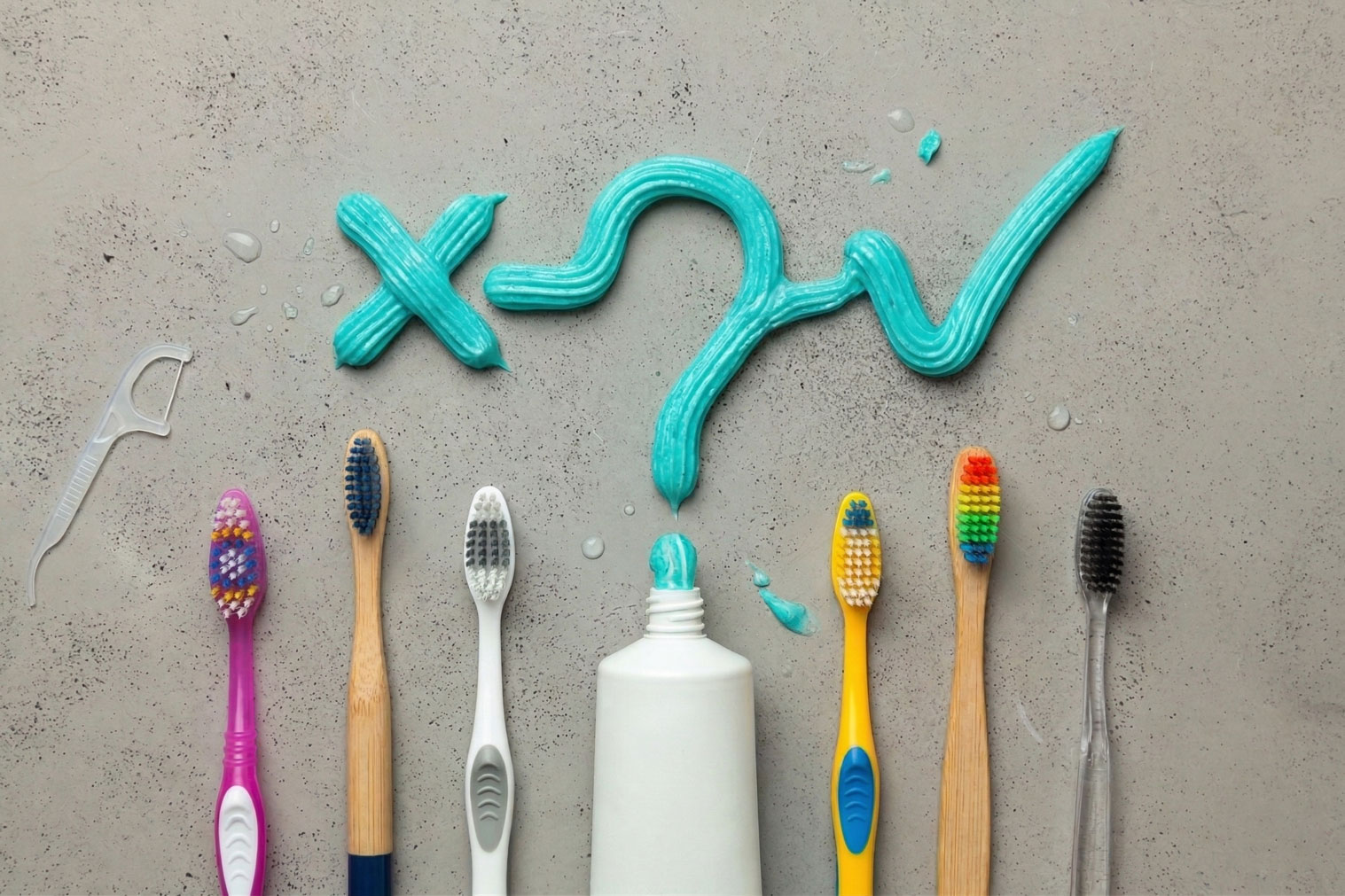
Choosing a toothbrush might seem like a small decision, but it actually plays an important role in keeping your teeth and gums healthy. Many people simply pick up the first toothbrush they see at the supermarket or pharmacy. However, using the right toothbrush can make a big difference in how well you clean your teeth every day.
Dentists often hear patients ask, “How do I choose the right toothbrush?” The answer is not complicated, but there are a few important things to consider. A toothbrush should be comfortable to use, gentle on your teeth and gums, and effective at removing plaque and food particles. At JJ Smiles Dental, dentists often guide patients on selecting the right toothbrush that suits their oral health needs.
Brushing your teeth properly helps prevent tooth decay, gum disease, and bad breath. It also helps protect the enamel on your teeth, which is the strong outer layer that keeps your teeth safe. Using the wrong toothbrush or brushing too aggressively can sometimes cause damage, such as gum irritation or enamel wear. This blog guide explains how to choose the right toothbrush for your needs so you can maintain good oral hygiene and support long-term dental health.
What to Consider When Buying a Toothbrush
When buying a toothbrush, it should feel comfortable in your hand and mouth. Features such as bristle type, handle design, and brush head size affect how well it cleans. Choosing the right combination helps clean your teeth properly while protecting your gums.
-
Bristle Type
Toothbrushes come with soft, medium, or hard bristles, which are the small fibres that clean your teeth. Dentists usually recommend soft-bristled toothbrushes because they gently remove plaque and food particles without irritating the gums.
Medium or hard bristles may seem stronger, but they can damage enamel and irritate gums if used regularly. That is why soft bristles are generally the safest option for daily brushing. -
Toothbrush Handle
The toothbrush handle affects how easy the brush is to use. A comfortable handle with a good grip helps you control the toothbrush while brushing. Some toothbrushes have rubber grips or textured surfaces to prevent slipping.
Handles can be flexible or firm. Flexible handles bend slightly and may reduce pressure on teeth and gums, while firm handles provide stronger control. A toothbrush that is around 15–20 centimetres long usually makes it easier to reach the back teeth. -
Brush Head Size
The brush head is the part of the toothbrush that holds the bristles. Choosing the right size helps you clean every area of your mouth properly.
Dentists often recommend smaller brush heads because they can reach tight spaces and the back molars more easily. Large brush heads may miss some areas or feel bulky. Children, teenagers, and many adults usually benefit from smaller brush heads for better control. -
Bristle Shape — Rounded vs Straight
The shape of the bristle tips is another important feature to consider. High-quality toothbrushes often have rounded bristle tips, which clean teeth gently while protecting the gums and enamel. Some cheaper brushes may have straight or jagged bristles that can feel rough. Choosing rounded bristles helps provide a safer and more comfortable brushing experience.
Manual vs. Electric Toothbrushes — Which Is Better?
Both manual and electric toothbrushes can keep your teeth clean. Use them correctly for two minutes, twice daily!
-
Benefits of Manual Toothbrushes
Manual brushes are quite a reliable and handy cleaning solution. They are very affordable, to the extent that they won’t burn a hole in your pocket. There is absolutely no fuss where batteries and charging are concerned. Just grab and go, perfect for tossing in your backpack for school camps or travel. You control the pressure to avoid scrubbing too hard on sensitive gums. They also come in many bristle types and head sizes to fit any mouth.
-
Benefits of Electric Toothbrushes
Electric brushes pack extra power! Through oscillating or sonic motions that zap more plaque than manual ones alone. They’re great for shaky hands or arthritis. This brush does all the work while you just guide it. Built-in timers buzz to switch zones every 30 seconds and stop at two minutes. Kids often love the fun vibrations and sounds! They help you stick to routines and clean braces or crowded teeth better.
What Toothbrush Should My Child Use?
Children need toothbrushes that are designed for their smaller mouths and developing teeth.
-
Key Features for Kids’ Toothbrushes
A good children’s toothbrush should have soft bristles to protect delicate enamel and gums, along with a small brush head that can easily reach the back teeth and clean between smaller teeth. The handle should also be comfortable and easy for children to hold, and many kids’ toothbrushes have thicker handles that fit better in smaller hands.
-
Making Brushing Fun
Encouraging children to brush regularly can sometimes be challenging. Allowing them to choose a toothbrush with bright colours, fun designs, or favourite cartoon characters can make brushing more enjoyable and help motivate them to brush twice a day for the full two minutes.
-
Electric Options
Electric toothbrushes can also be suitable for children, especially those aged three years and older. Many children’s electric toothbrushes include gentle vibrations and built-in timers that guide proper brushing time, making brushing easier and more engaging.
-
Parental Supervision
Young children still need help brushing their teeth properly. For children under six years old, parents should assist with brushing to ensure all teeth are cleaned well, while older children can brush on their own with supervision. After brushing with fluoride toothpaste, children should spit out the toothpaste and avoid rinsing with water so the fluoride can stay on the teeth longer and help protect against tooth decay.
How Often Should You Replace Your Toothbrush?
Replace your toothbrush regularly to clean well and prevent germs. Swap it every three months or sooner if the bristles look wonky.
-
Standard Guideline
Dentists recommend replacing your toothbrush or electric brush head every three months. Over time, the bristles become worn and spread apart, which makes them less effective at removing plaque. Setting reminders on your phone or marking a calendar can help you remember when it is time to replace your toothbrush.
-
Check the Bristles
You should also check your toothbrush regularly. If the bristles appear frayed, bent, or flattened, it is a sign that the brush should be replaced sooner. Worn bristles cannot clean teeth properly and may irritate sensitive areas of the mouth.
-
After Getting Sick
It is also recommended to replace your toothbrush after recovering from illnesses such as colds, flu, or mouth infections. Germs can remain on the bristles and may increase the risk of reinfection if the same toothbrush is reused.
Do You Need Help Choosing the Right Toothbrush?
If you are unsure which toothbrush is best for you or your child, speaking with a dentist can help. At JJ Smiles Dental, our dental professionals can examine your teeth and gums and recommend a toothbrush that suits your individual needs, ensuring you use the right tools to protect your oral health.
Regular dental check-ups every six months are also important for maintaining healthy teeth and gums. Combined with proper brushing and the right toothbrush, these visits help prevent cavities and gum disease.
JJ Smiles Dental is here to support your oral health—book an appointment today and let our friendly team help keep your smile clean, healthy, and bright.
FAQs
- How do I know if my toothbrush is worn out?
If the bristles appear frayed, bent, or spread apart, the toothbrush is worn out. Most toothbrushes should be replaced every three months.
- Are soft-bristled toothbrushes really better for my teeth?
Yes. Soft-bristled toothbrushes remove plaque effectively while being gentle on your teeth and gums, which is why dentists recommend them.
- Is an electric toothbrush suitable for children?
Electric toothbrushes can be suitable for children aged three years and older, especially when designed specifically for kids.
- Can the wrong toothbrush damage my gums?
Yes. Toothbrushes with hard bristles or aggressive brushing can irritate gums and wear down enamel. Using a soft-bristled toothbrush helps protect your teeth and gums.